




Early visible mold
Cooling, slicing, packaging, and formula conditions can combine to shorten shelf life.
Clean-label preservation pathway
Controlled cultured-whey metabolites help delay bakery mold when formula, hygiene, packaging, and market labeling are validated.
Cooling, slicing, packaging, and formula conditions can combine to shorten shelf life.
Removing a familiar inhibitor changes pH, flavor, yeast behavior, and the complete hurdle system.
No cultured ingredient compensates for uncontrolled moisture or poor hygiene.
Whey-derived composition and labeling must be reviewed before commercial release.
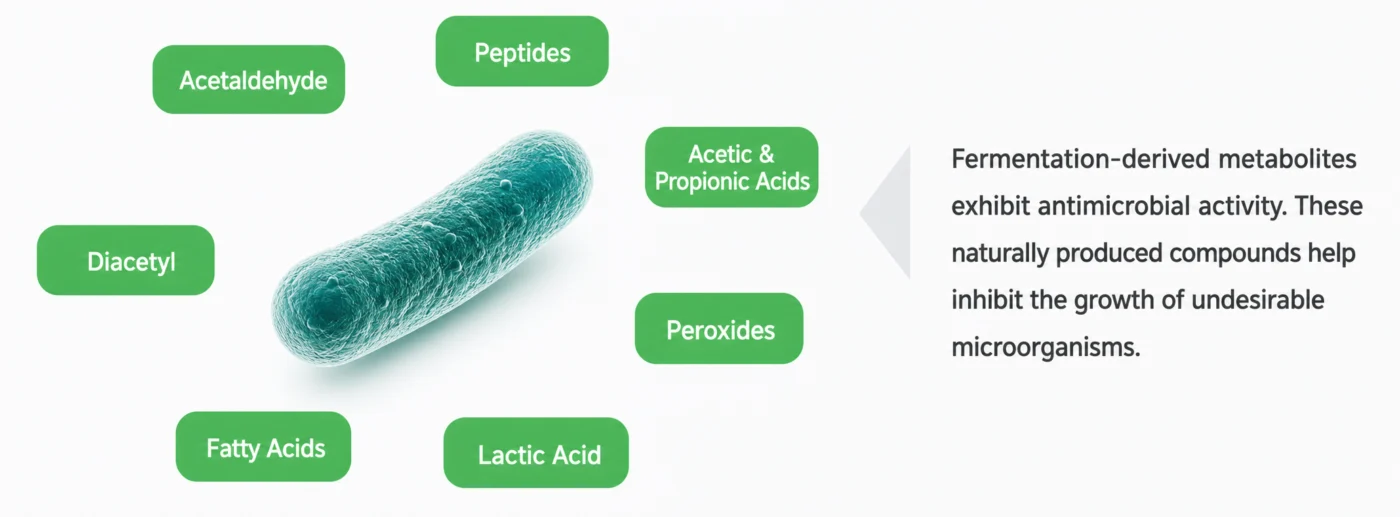
Organic acids, inhibitory peptides, and other fermentation metabolites can create complementary microbial hurdles. The realized effect changes with product pH, buffering, water activity, organism pressure, package conditions, and ingredient distribution.
Pan bread, buns, rolls, selected cakes, tortillas, and other bakery systems where visible mold is a validated failure mode and milk-derived ingredients are acceptable.
Compared with an untreated bread control in the Apex Biotech technical file. This is not a universal recommendation.
Penicillium challenge and defined storage conditions. Results cannot be generalized without a matching study.
Visible mold timing in the documented control and treatment groups. Commercial shelf life requires repeat validation.
Run microbiology, process measurements, and sensory evaluation in one plan.
Monitor yeast activity, proof time, volume, flavor, crumb, pH, water activity, and the full shelf-life response. A higher level is not automatically better.
Confirm milk allergen disclosure, ingredient naming, permitted use, claims, and destination-market requirements. Clean label is not one harmonized legal category.
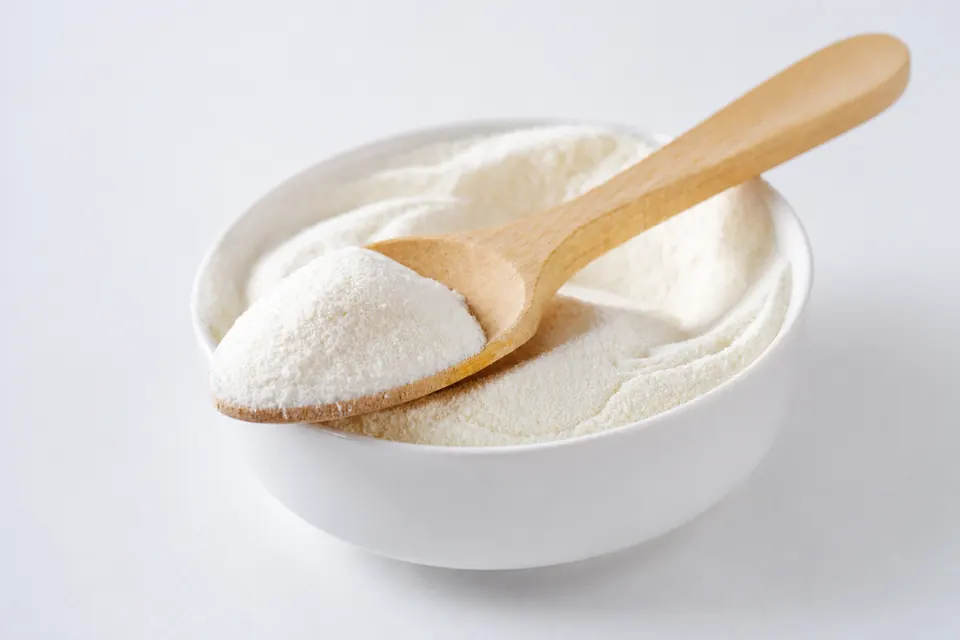
It supplies a mixture of fermentation-derived acids and other metabolites that can support a mold-control hurdle system. Performance depends on the complete formula, process, hygiene, packaging, and storage conditions.
There is no universal use level. Apex Biotech evaluated 0.3% in one defined bread challenge, but commercial use must be set with a dosage gradient in the actual product and process.
Whey is milk-derived. Confirm the delivered specification and destination-market allergen labeling requirements before use.
No one-for-one replacement should be assumed. Compare both systems under the same dough, process, packaging, microbiology, and sensory plan.