




Batch-to-batch flour correction
Low or inconsistent amylolytic activity can alter fermentation energy, crust color, loaf volume, crumb structure, and slicing. Start with flour data, then build an activity gradient from the offered product COA.
Bakery & Pastry
Evidence-led enzyme and cultured-ingredient trials for industrial bread, buns, pastry, and flour correction.

Flour activity, fermentation, lipid behavior, hygiene, water distribution, and heat history can move at the same time. Trials must isolate the variable that matters.
Low or inconsistent amylolytic activity can alter fermentation energy, crust color, loaf volume, crumb structure, and slicing. Start with flour data, then build an activity gradient from the offered product COA.
Gas retention and dough strength depend on flour lipids, emulsifiers, enzymes, mixing energy, and the target product.
Cultured ingredients work as part of a hurdle system that includes pH, water activity, cooling, slicing hygiene, and packaging.
Pan bread, rolls, hamburger buns, steamed buns, lean dough, enriched dough, and selected frozen or par-baked systems.
Laminated or enriched systems where fermentation, lipid modification, color, and structure require controlled evaluation.
Flour-lot normalization supported by falling number or another validated activity index, damaged starch, protein, and process records.
Each pathway has a different mechanism, data requirement, and failure boundary. Choose by production problem, not by ingredient name alone.
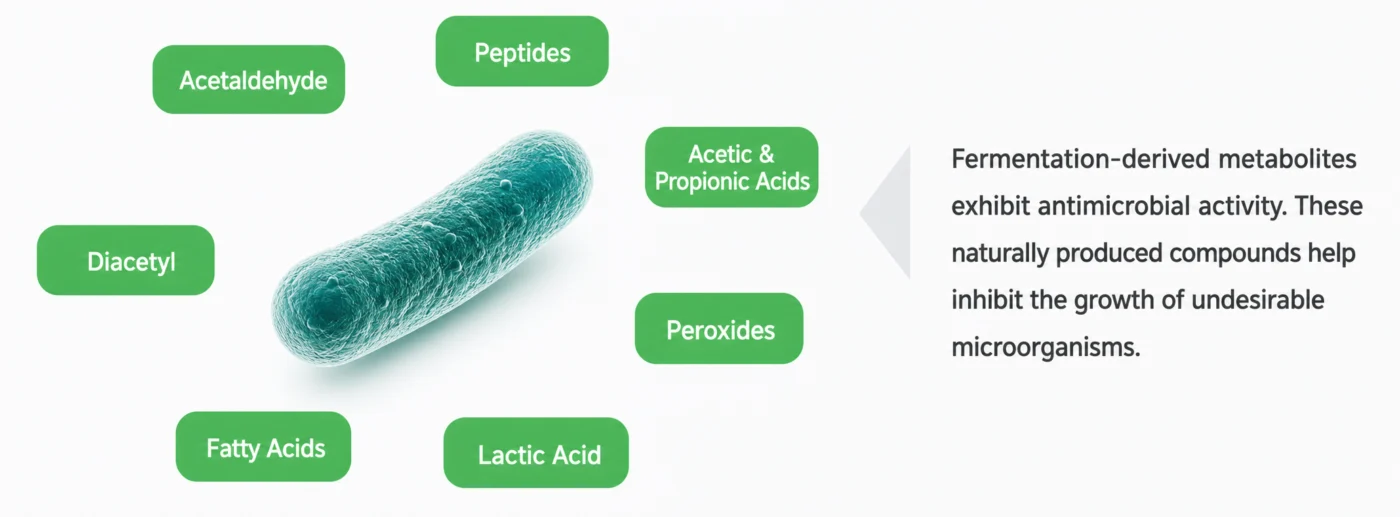
Evaluate a cultured, milk-derived hurdle for mold control with a defined bakery challenge, allergen review, and product-specific shelf-life trial.
Screen flour-lipid modification for proof stability, gas retention, crumb structure, and selected emulsifier-reduction projects.
Correct low or inconsistent flour activity while controlling sticky crumb, excessive color, and dough weakness.
Apex Biotech trial support is structured around measurable acceptance limits and repeatability.
Record flour, formula, process, quality targets, and current failure mode.
Use an untreated control, the plant benchmark, and justified COA-based treatments.
Track dough, fermentation, volume, color, crumb, sensory, and storage quality.
Repeat across batches and line conditions before changing the commercial specification.
Request the grade-specific COA, technical overview, trial matrix, and market review required for a defensible decision.
Use the delivered assay and batch value. Units are not universally interchangeable.
Map the enzyme or cultured ingredient against flour, emulsifiers, oxidants, pH, and process.
Define controls, treatment spacing, sampling, acceptance limits, and repeat batches.
Recheck authorization, processing-aid treatment, labeling, allergens, and destination-market requirements.
We will help structure the shortest useful Bakery & Pastry trial.