
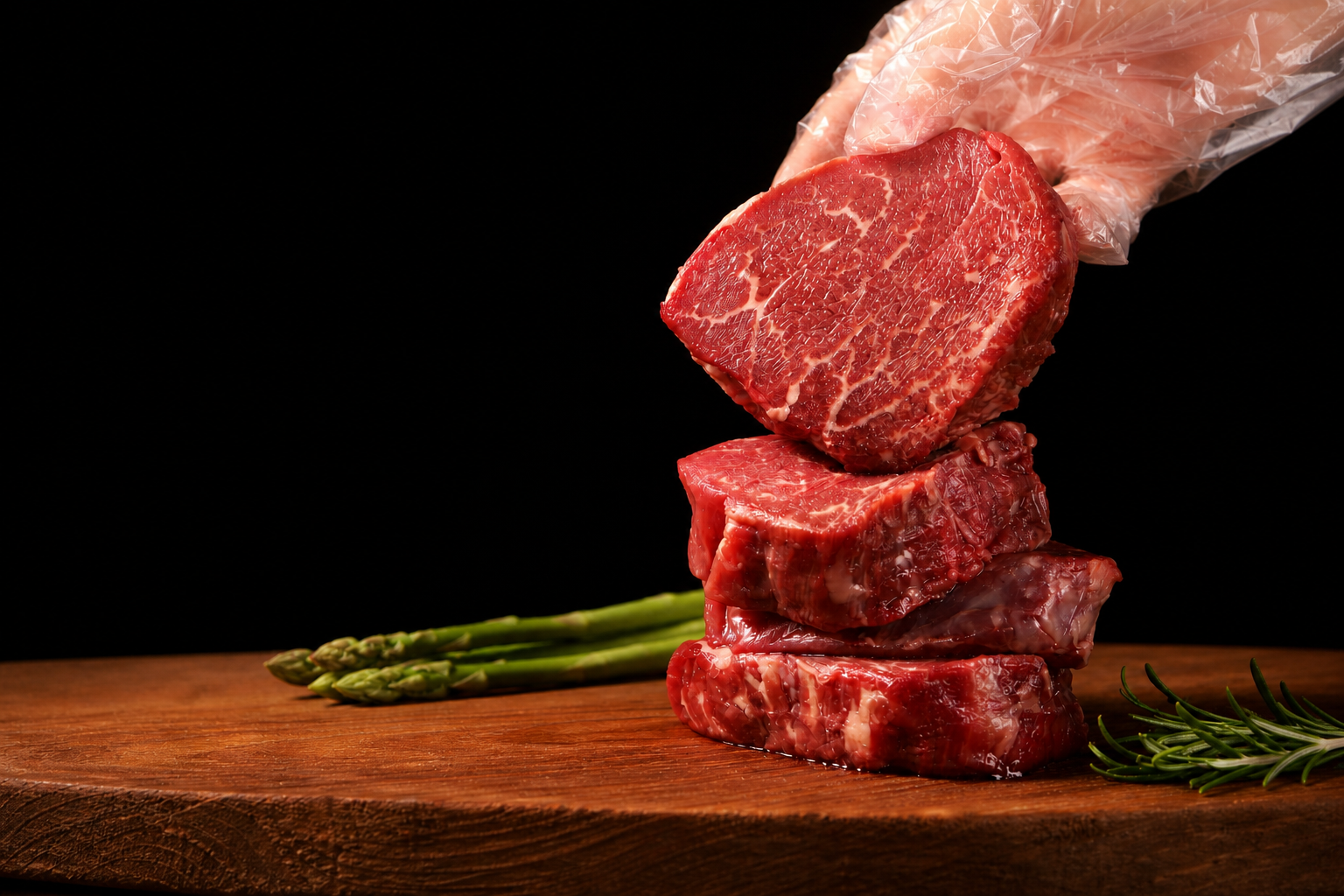


Fresh raw beef ingredient solution for moisture retention applications
Solutions 02 — Beverage Ingredient Solutions — joyful healthy beverage toast
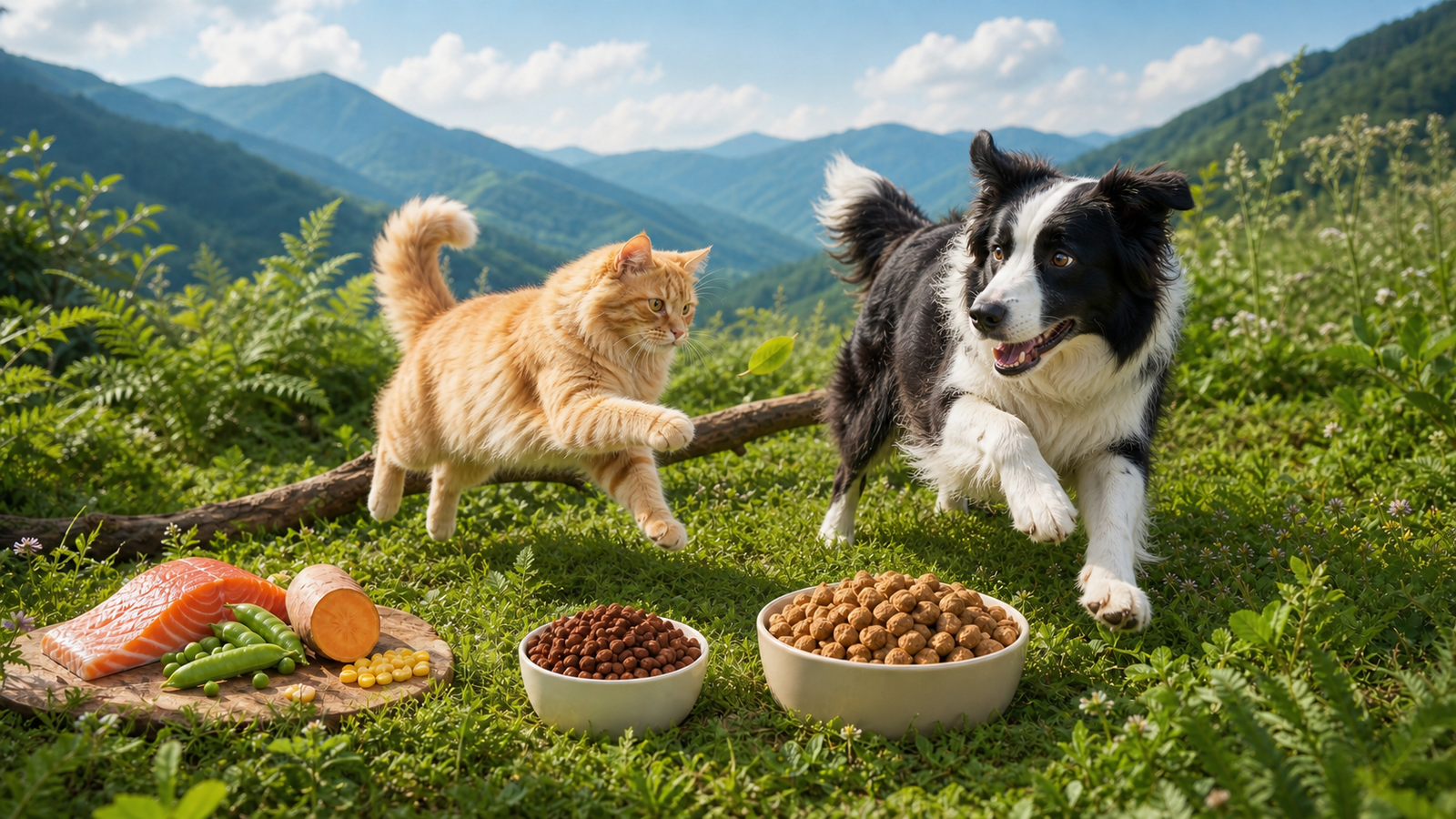
Happy border collie and orange cat playing beside distinct animal nutrition feed bowls in a mountain meadow
Purple blue and magenta beneficial microorganisms in a luminous microbiome research environment
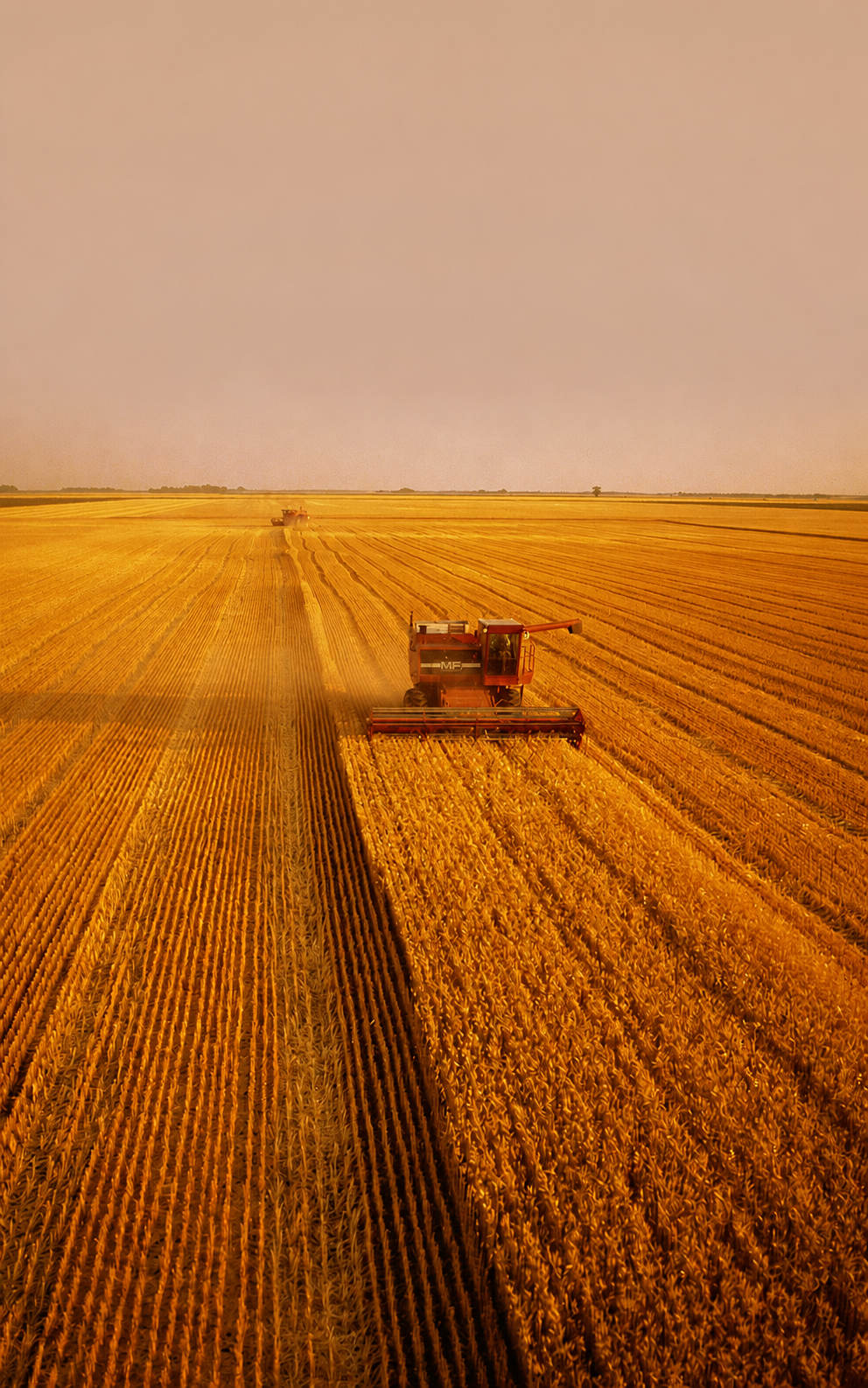
Golden grain harvest with combine harvester representing large-scale grain processing supply
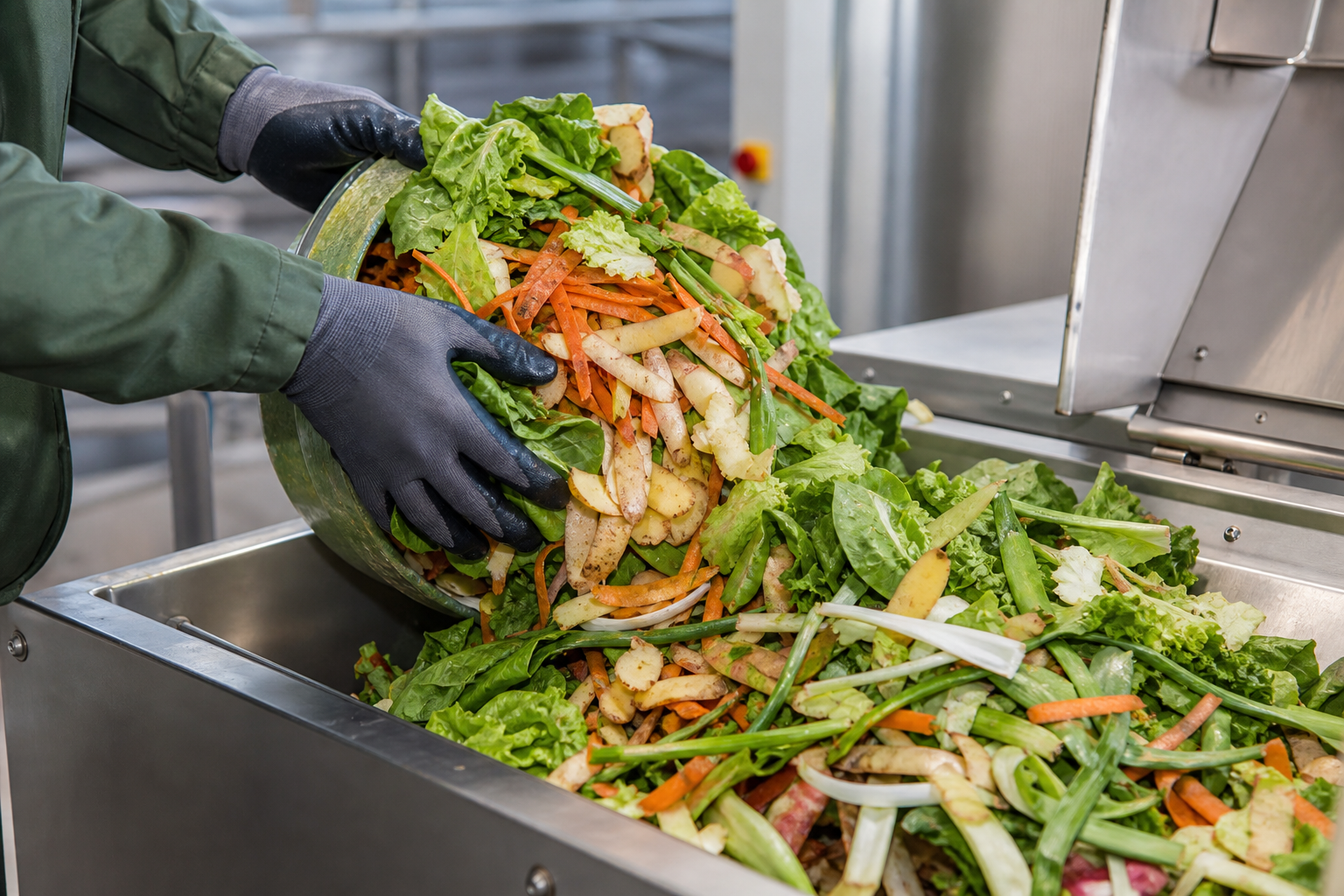
Source-separated kitchen food waste entering stainless steel biological degradation equipment

Application-led feed technology

Animal Nutrition

Feed-enzyme, probiotic-option, and process-validation pathways built around the species, diet, raw materials, and feed-mill conditions.

  • Feed enzyme and multi-enzyme systems
  • Species-specific application support
  • Probiotic and feed-risk support options
  • Feed-mill and pelleting validation

Species and technology pathways

Start with the animal, diet, or feed-mill problem

Use the species pathways for application context, or move directly to enzyme-system and feed-risk review. Each route ends with variables and validation boundaries that must be confirmed before commercial use.

Decision-ready detail

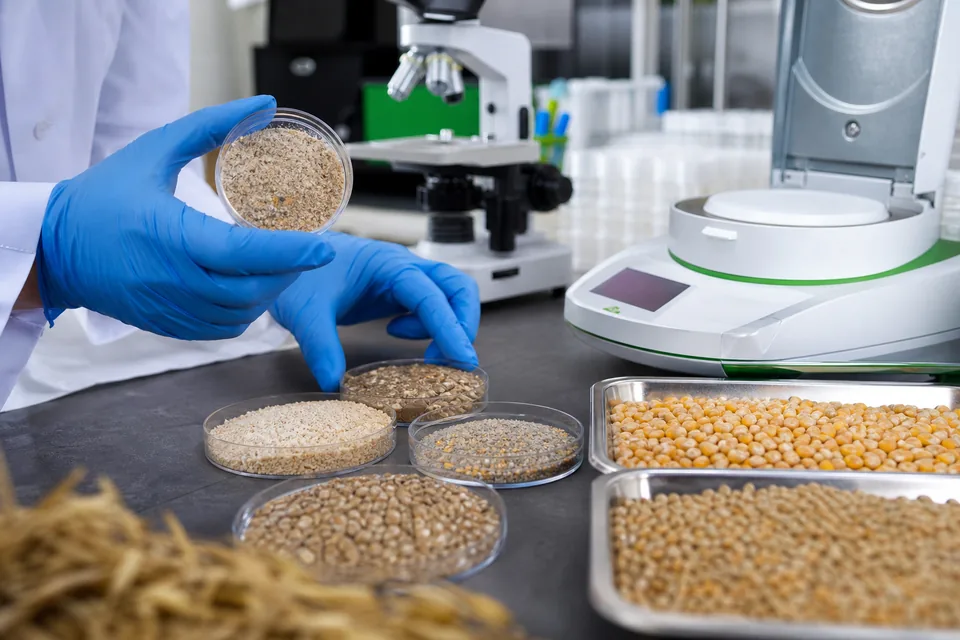
Define the baseline before selecting a feed technology

A category is a technical starting point, not a universal recommendation. The current product specification, COA, complete diet, manufacturing process, destination market, and controlled trial determine the qualified pathway.

01

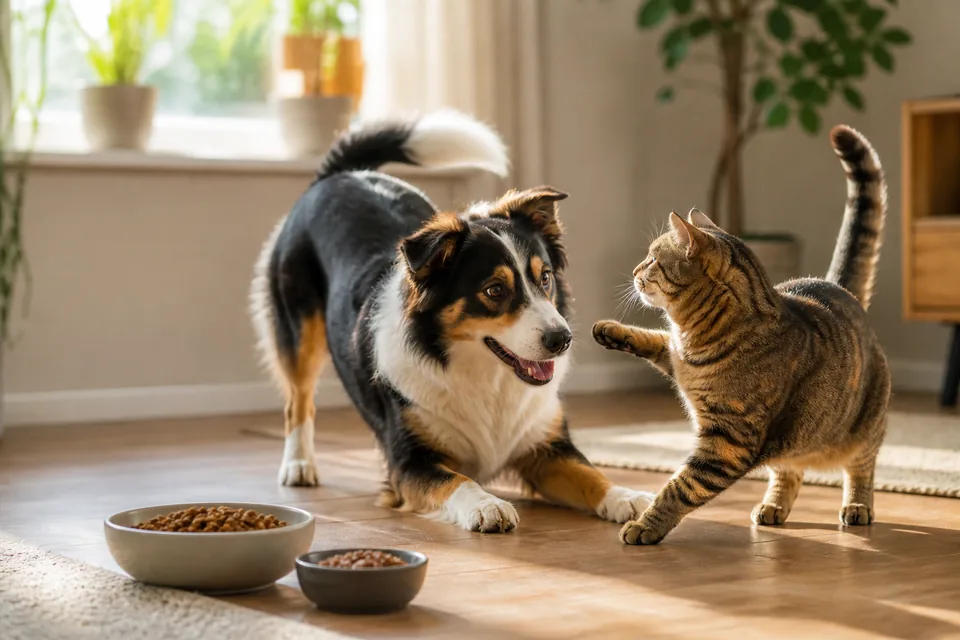
Pet Nutrition

Application review for dry and wet pet food, treats, and supplementary nutritional formats.

Species or feed applications

Dry pet food and kibble, wet pet food, baked or extruded treats, and supplementary nutritional formats for dogs and cats.

Common production challenges

Ingredient consistency, extrusion or thermal processing, binding and texture, moisture management, storage stability, and destination-market requirements.

Variables to confirm

Target species and life stage, complete formula, ingredient specifications, extrusion or cooking profile, moisture and water activity, packaging, storage, product documentation, and destination market.

Validation boundary

No therapeutic, disease-prevention, palatability, digestive-health, or shelf-life performance claim is implied. Final suitability depends on the supplied product specification and COA, complete formulation, process, target animal, local authorization, and controlled product testing.

Discuss Your Animal Nutrition Application
02

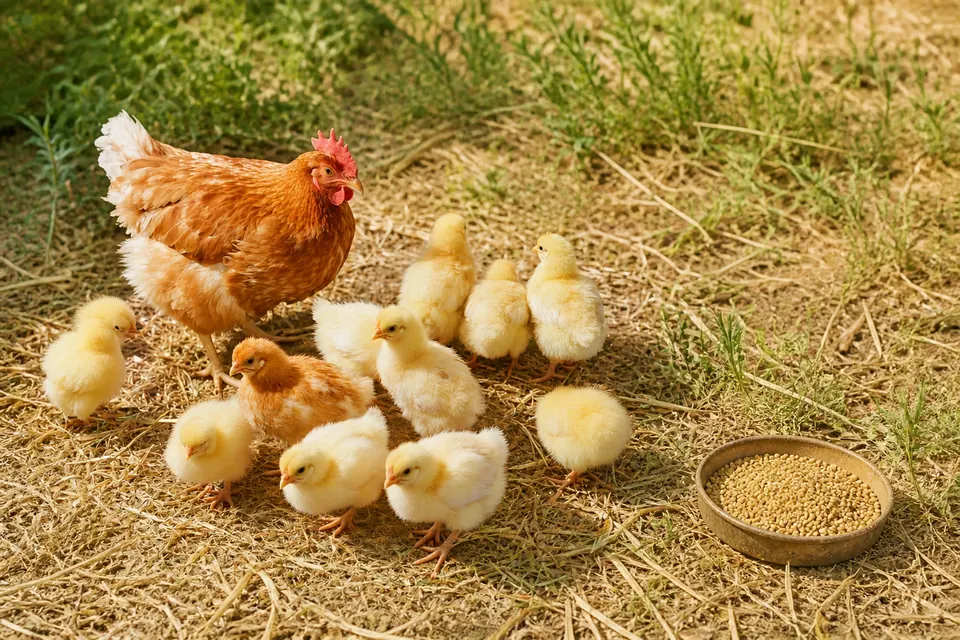
Poultry Nutrition

Feed-enzyme pathways for poultry diets, ingredient variability, and commercial pelleting conditions.

Species or feed applications

Broiler, layer, and breeder feeds using corn, wheat, soybean meal, and other regionally available raw materials.

Common production challenges

Variable grain quality, fiber and phytate constraints, inconsistent pellet conditions, and the need to compare nutrient-release strategies without overstating matrix value.

Variables to confirm

Bird stage, diet composition, analyzed raw-material quality, native enzyme activity, target matrix assumptions, conditioning temperature, residence time, and pellet quality.

Validation boundary

Enzyme activity units and recommended use levels must be confirmed against the supplied specification or COA. Nutrient matrix values require formulation review and controlled feed trials.

Discuss Your Animal Nutrition Application
03

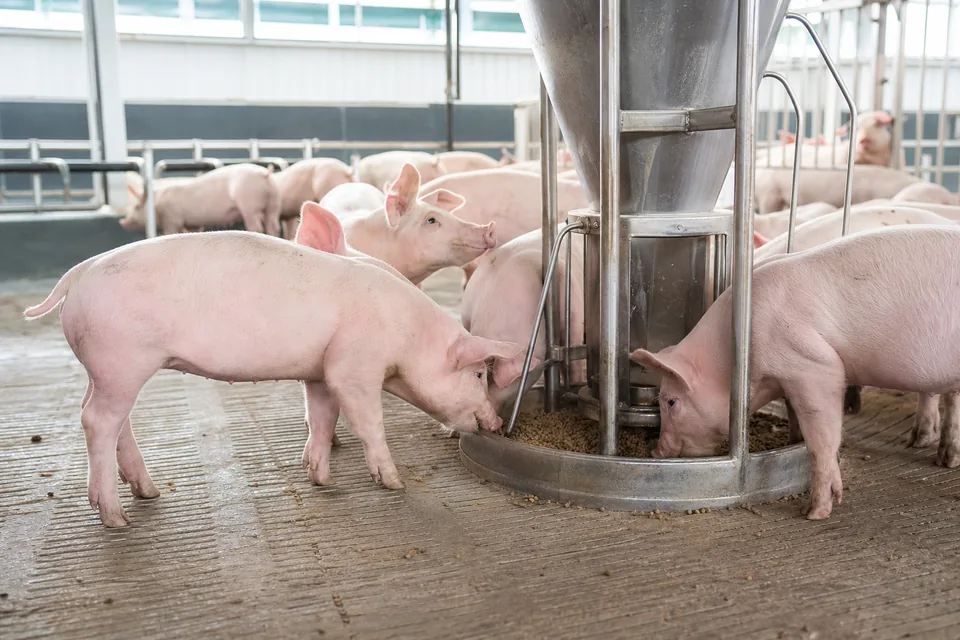
Swine Nutrition

Practical enzyme-system screening for pig diets, variable feed inputs, and feed-mill processing.

Species or feed applications

Nursery, grower-finisher, and breeding-herd feeds where the formulation and manufacturing process can be documented for technical review.

Common production challenges

Changing cereal and protein-meal quality, fiber and phytate constraints, pelleting exposure, and the need to balance technical targets with formulation economics.

Variables to confirm

Animal stage, cereal source, soybean meal quality, fiber profile, mineral formulation, pelleting temperature, residence time, and target specification.

Validation boundary

EW200 or individual enzyme suitability is application-specific. Final use level and any nutrient contribution must follow the current product documentation and trial design.

Discuss Your Animal Nutrition Application
04

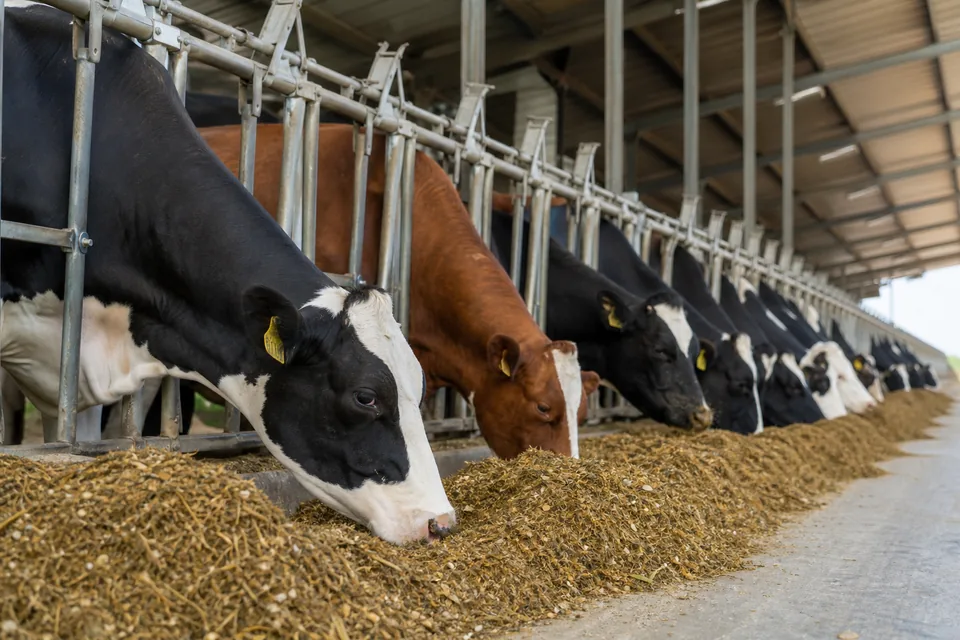
Ruminant Nutrition

Ingredient and process review for ruminant feed programs where forage, concentrate, and manufacturing conditions interact.

Species or feed applications

Dairy and beef feed programs, concentrates, premixes, and total mixed ration support projects with a defined baseline and target.

Common production challenges

Forage and concentrate variability, mixing uniformity, storage conditions, processing exposure, and incomplete baseline data.

Variables to confirm

Forage-to-concentrate ratio, ingredient analysis, moisture, particle size, mixing sequence, storage, feeding system, and market requirements.

Validation boundary

Ruminant response cannot be inferred from enzyme activity alone. Species stage, complete diet, management, product specification, and local regulatory status must be reviewed.

Discuss Your Animal Nutrition Application
05

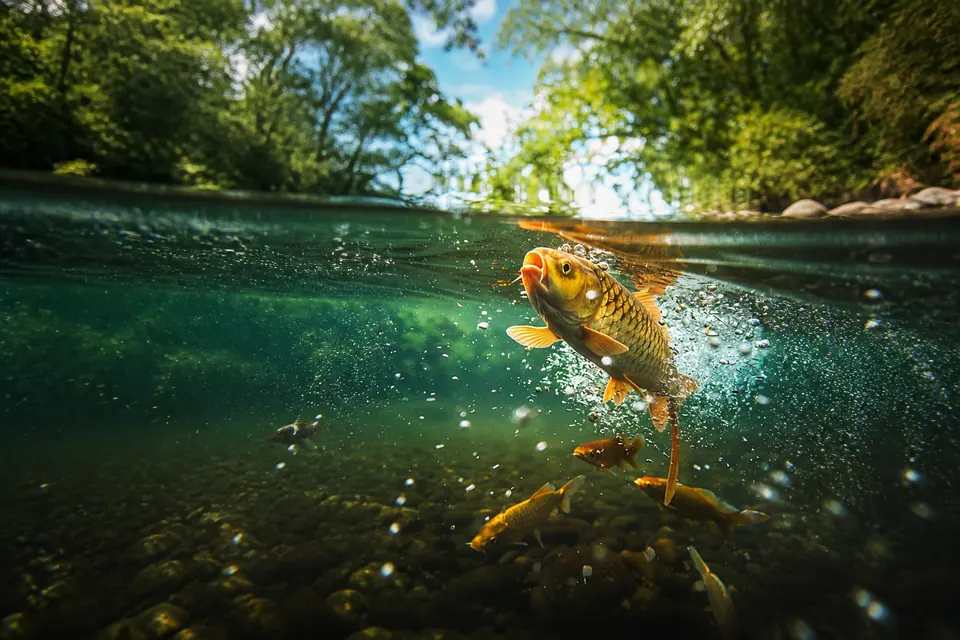
Aquaculture Nutrition

Digestibility-focused feed-enzyme pathways for aquatic diets and extrusion-sensitive manufacturing systems.

Species or feed applications

Extruded or pelleted feeds for fish and other aquaculture projects where species, life stage, water conditions, and raw materials are defined.

Common production challenges

Plant-protein variability, fiber and phytate constraints, water stability, extrusion exposure, and inconsistent digestibility assumptions.

Variables to confirm

Species and life stage, protein source, phytate and fiber profile, extrusion temperature and moisture, pellet density, water stability, and feeding conditions.

Validation boundary

Aquaculture applications require species-relevant validation. Performance, digestibility, and use-level claims must not be generalized across species or processing systems.

Discuss Your Animal Nutrition Application
06

Feed Enzyme Systems

A controlled route from raw-material review and enzyme selection to feed-mill and pelleting validation.

Species or feed applications

Single-enzyme and multi-enzyme projects involving phytase, carbohydrase, protease, xylanase, beta-glucanase, or EW200 complex enzyme systems.

Common production challenges

Incompatible activity units, unsupported dose conversion, variable substrate availability, heat exposure, mixing uniformity, and unverified formulation assumptions.

Variables to confirm

Product COA, activity method, substrate profile, batch size, carrier and premix sequence, conditioning temperature, retention time, recovery testing, and sampling plan.

Validation boundary

Activity units are method-dependent and cannot be converted into a universal addition rate. Product identity, COA, formulation, process, and a controlled comparison determine the final recommendation.

Discuss Your Animal Nutrition Application
07

Gut Health & Feed Risk Support

Document-led screening of Bacillus probiotic options and feed-risk support within a complete nutrition program.

Species or feed applications

Commercial feed projects assessing probiotic options, raw-material risk, storage exposure, and integrated additive pathways.

Common production challenges

Variable microbial quality, storage and moisture exposure, inconsistent raw-material evidence, and claims that exceed the supplied product documentation.

Variables to confirm

Target species, product strain or composition, viable-count method, feed process, storage, moisture, contaminant analysis, market, and local feed regulations.

Validation boundary

No disease-prevention or universal mycotoxin-control claim is implied. Product documentation, contaminant analysis, local authorization, and application trials are required before commercial use.

Discuss Your Animal Nutrition Application

Feed-mill validation

Move from product documentation to controlled production evidence

Share the species, diet, raw-material analysis, process map, target, market, and expected volume. Apex Biotech can then frame an evidence-bounded comparison and documentation pathway.

  1. 01Document the baselineDefine the complete diet, raw materials, current performance, process, and failure mode.
  2. 02Confirm the product basisReview the product specification, COA, activity method, regulatory status, and handling requirements.
  3. 03Run a controlled comparisonUse representative batches, defined sampling, and fit-for-purpose feed and animal measurements.
Discuss Your Animal Nutrition Application